
Dry Ice Cleaning & Detailing in Dubai
Deep cleaning of engine bays, underbodies and hard-to-reach areas — without water, chemicals or abrasives
Pick-up and recovery available on request.
Dry ice cleaning blasts solid CO₂ pellets at the surface. The pellets are cold enough to shock dirt, grease and old underseal loose, and then they disappear — they turn straight into gas, so nothing is left behind except the contamination that was removed. No water in the electrics, no chemicals on rubber and plastic, no abrasive on the surface underneath.
Engine bays and underbodies are the parts of a car that are hardest to clean without creating a new problem. Water finds connectors and bearings, chemicals attack rubber and plastic, and abrasive media stay behind in the chassis. Dry ice avoids all three, which is why it is the method of choice on collector cars and on anything valuable enough that the cleaning must not cost more than the dirt.
What’s included
- Engine bay cleaning, including areas a brush and a hose cannot reach
- Underbody, suspension arms, subframes and wheel housings
- Old, soft underseal and accumulated grease removal
- Classic and collector cars where water and chemicals are a risk
- Preparation before photography, sale, inspection or a show
- Pre-restoration cleaning so that what is underneath can actually be assessed
- Masking and protection of foam, insulation and sensitive components before blasting
See alsoPolishing & Detailing →Classic & Historical Restorations →
Why it works: sublimation, not washing
The pellets are solid carbon dioxide at about −78 °C. Three things happen at the moment of impact, in this order:
Thermal shock. The dirt, grease or coating is chilled in a fraction of a second. It contracts and becomes brittle, and its bond to the surface underneath is broken — because the two materials shrink at different rates.
Kinetic impact. The pellet hits with enough energy to lift the now-brittle layer, but it is soft compared with sand or grit, so it does not cut into the surface underneath.
Sublimation. The pellet goes straight from solid to gas — no liquid stage — and expands to several hundred times its volume, which pops the loosened contamination away from the surface. The CO₂ is simply gone afterwards; the only waste is the dirt that came off.
That is the whole reason it suits cars: no water to sit in connectors and bearings, no chemicals to attack rubber and plastic, no media left buried in the chassis rails, no abrasive marks on the metal.
What we protect — and what we will not do
Dry ice is gentle on hard surfaces and unforgiving on soft ones, so the work starts with masking, not blasting.
We do not blast foam, sound-deadening or thermal insulation. Open-cell foam and bonded padding tear and disintegrate under a pellet stream, and adhesive-backed heat shields lift. Those areas get covered, or cleaned another way.
We keep away from exposed, aged wiring insulation, brittle old plastic and loose labels or decals. Cold makes brittle things more brittle. On a 40-year-old car that matters.
Ventilation. CO₂ is heavier than air and it accumulates in pits and closed spaces, so the work is done in a ventilated area, with the right protection. It is not a garage-corner job.
We will not show you dramatic rust-removal pictures. You will find plenty of them online; they are largely a different process. Dry ice removes what sits on the metal — grease, dirt, loose coatings, sometimes flaking surface rust — but proper rust treatment is chemical and mechanical work, and pretending otherwise sets you up for disappointment.
Where it genuinely earns its place: high-value and collector cars, engine bays before a sale or a show, underbodies a buyer or an inspector will look at, and anywhere that water and chemicals would cause more problems than the dirt.
Our process
- STEP 01 / 05
Assess
What is being cleaned, what it is made of, and what has to be protected.
- STEP 02 / 05
Mask
Foam, insulation, exposed sensors, labels and anything brittle is covered or excluded.
- STEP 03 / 05
Blast
Pellet size, pressure and nozzle distance set for the surface — conservative first, then adjusted.
- STEP 04 / 05
Inspect
Progress checked as we go; we stop where continuing would risk damage.
- STEP 05 / 05
Finish
Loose debris removed, surfaces dressed where appropriate.
How we work on it
Sport, high-end and collector cars — and everyday cars that deserve the same care.
- No water and no chemicals near wiring, connectors and bearings
- Pressure and pellet size matched to the surface, not one setting for everything
- We say in advance what we will not blast
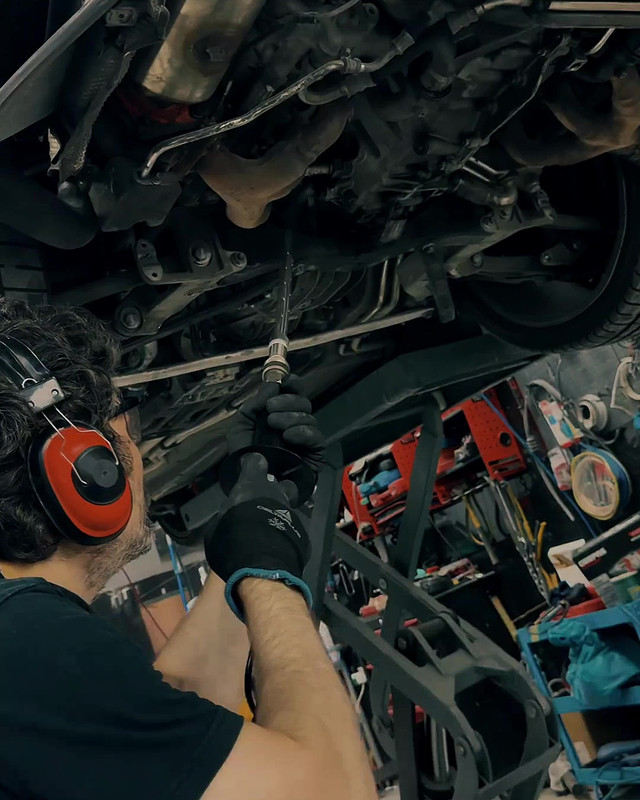
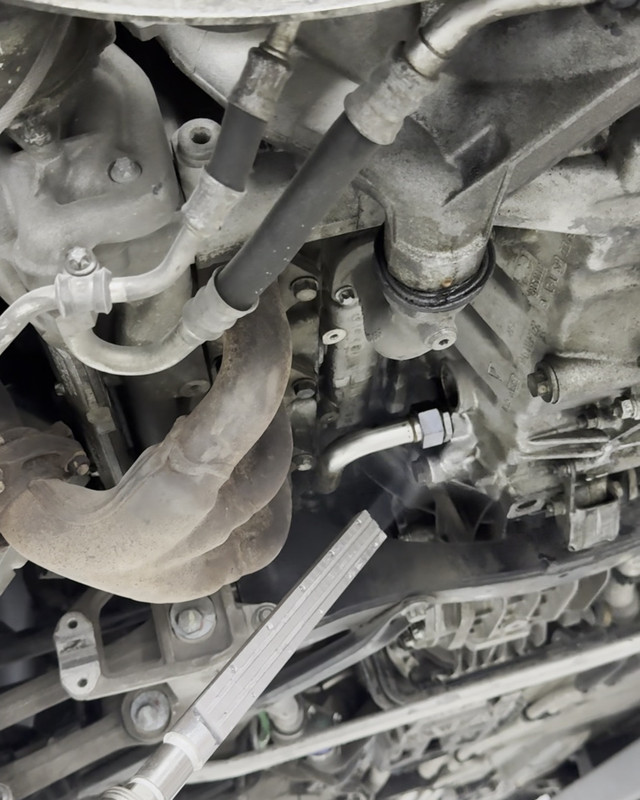
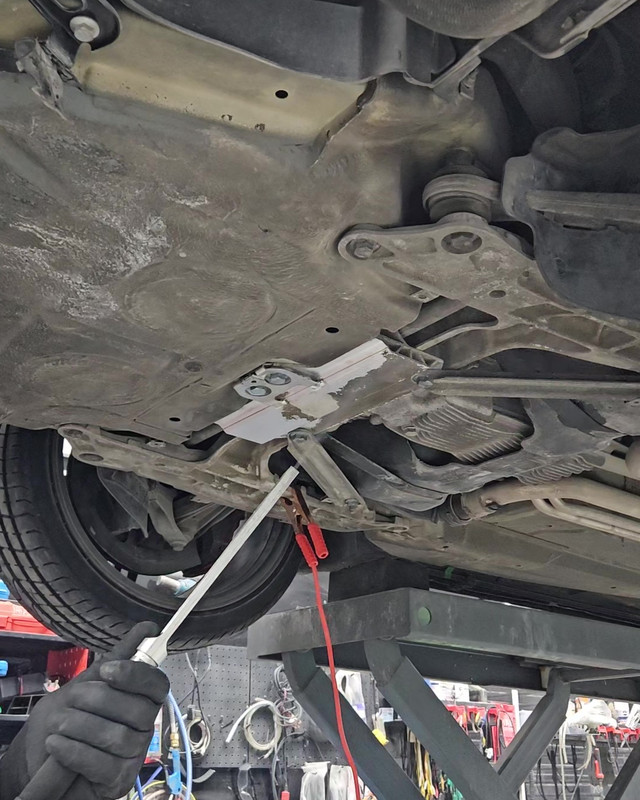
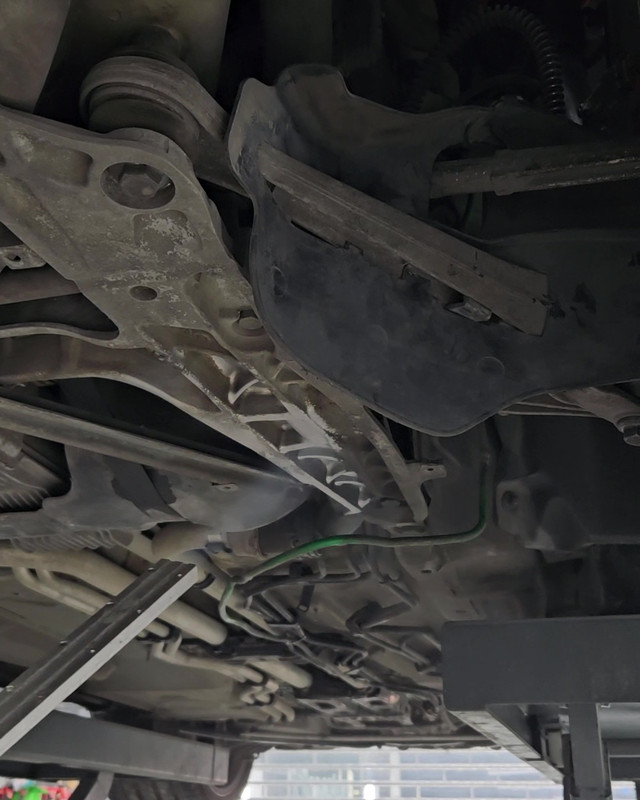
From the workshop
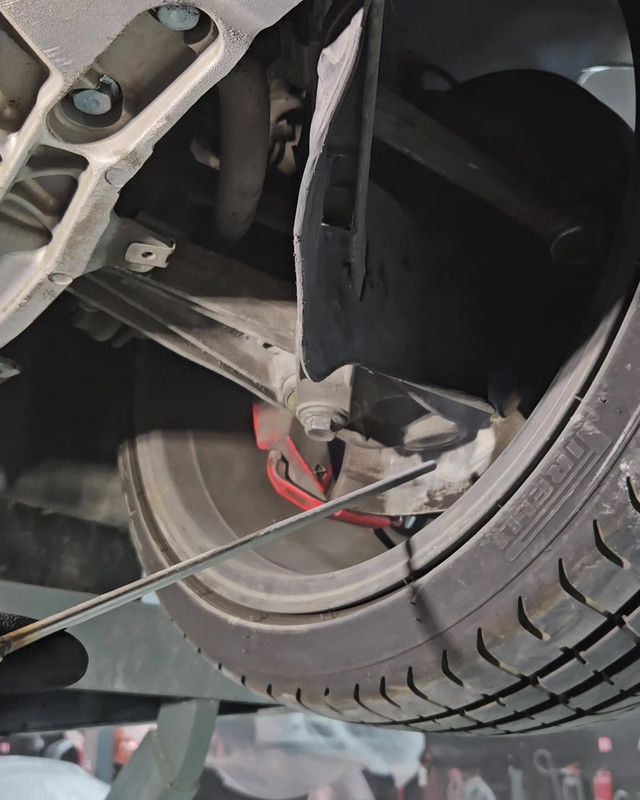
Questions
Is dry ice cleaning safe for paint and rubber?
Yes, when it is done with the correct pellet size, pressure and nozzle distance, and with a moving nozzle. It is not abrasive — the pellet is softer than the paint and evaporates on contact — and no chemicals touch the rubber. The technique is what makes it safe, which is why we set it up for each surface.
Will it remove rust?
It removes what is on top of the metal and some loose surface rust, but it is not a rust-removal process. Real corrosion needs chemical or mechanical treatment. We will tell you what you are actually looking at once the area is clean.
Can you clean my engine bay without water?
That is the main reason to use it. Nothing gets wet, so there is no water sitting in connectors, alternators, coil packs or bearings — and no drying time before the car can run.
Does it damage sound insulation?
It would, which is why we mask it. Foam, bonded padding and adhesive heat shields are protected or excluded before we start.