
Engine Overhaul & Rebuild in Dubai
Head gaskets, lifters, bearings and compression loss — labour-intensive work, planned and quoted before it starts
Pick-up and recovery available on request.

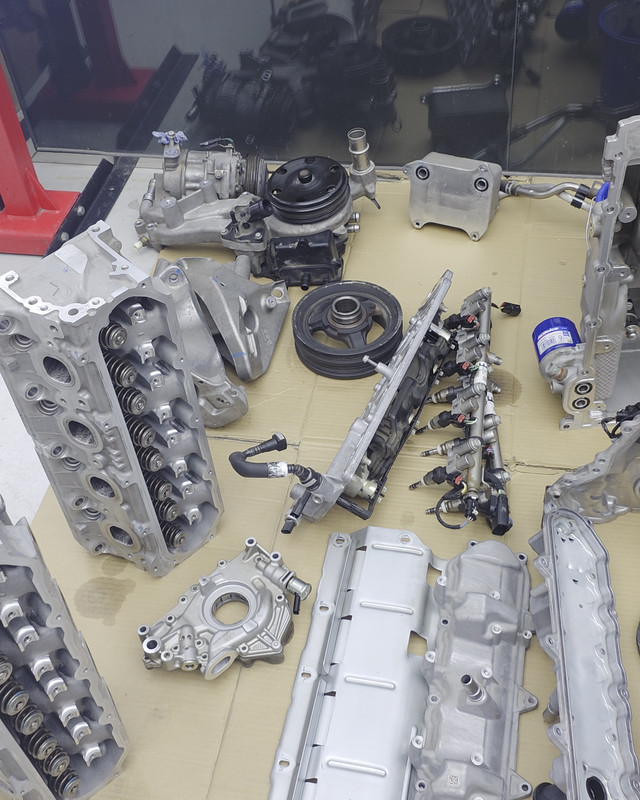
An overhaul is the deep end of mechanical work: the engine comes apart, parts are measured against specification and the cause of the failure is fixed, not covered up. These are labour-intensive jobs, so the first decision is always economic — repair or replace — and we make it with you, with the numbers in front of us.
An engine rarely fails without warning. Overheating, oil consumption, a new noise or a lost service interval come first, and the repair that follows is decided by how long the car kept running afterwards. When an overhaul is the honest answer, the work is measurement-driven: clearances, tolerances and torque values, so the engine that goes back in is built to specification and not just reassembled.
What’s included
- Head gasket failure, warped or cracked cylinder heads
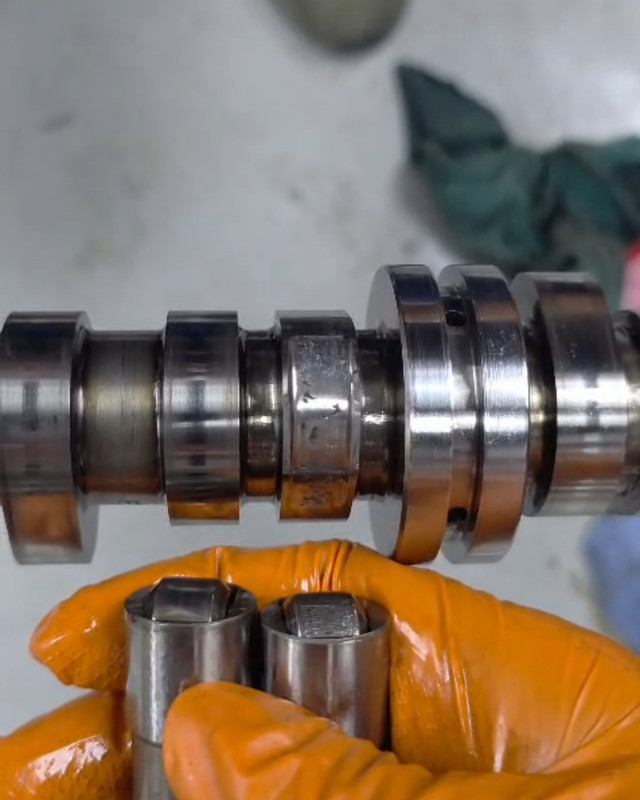
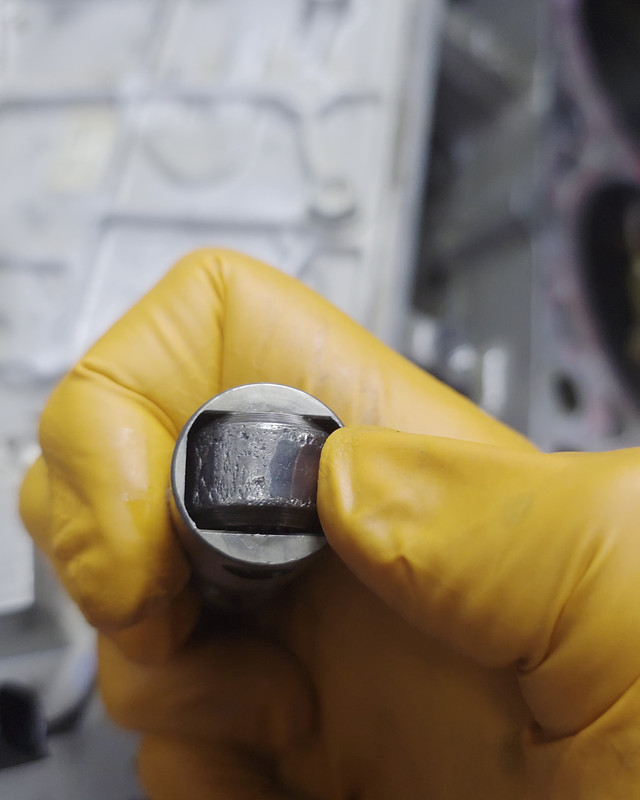
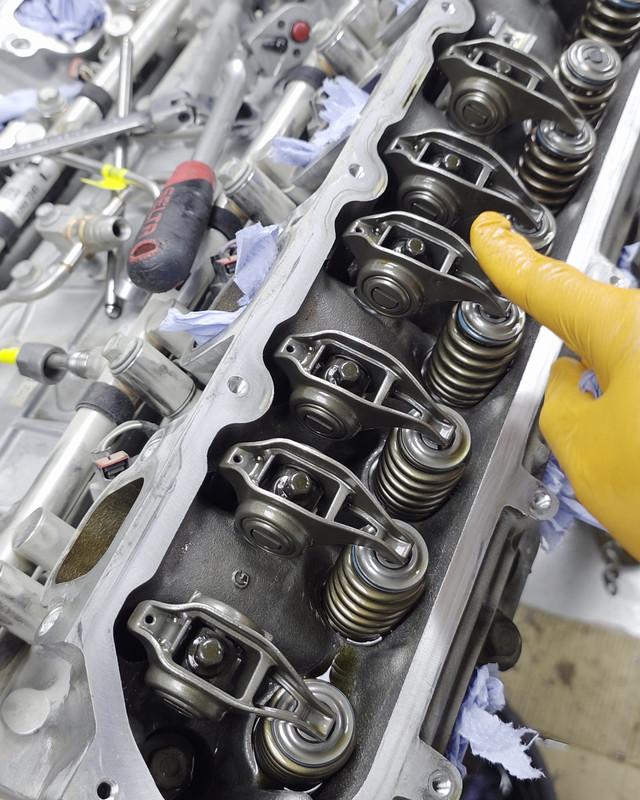
- Lifter, camshaft and valvetrain damage (noise, ticking, lost compression)
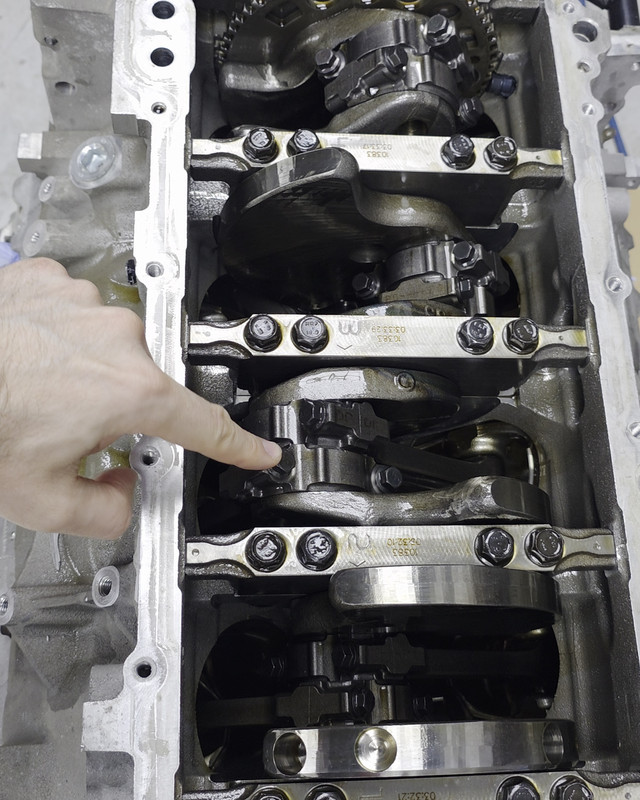
- Main and big-end bearing wear, knocking and low oil pressure
- Compression and leak-down loss: rings, valves, seats
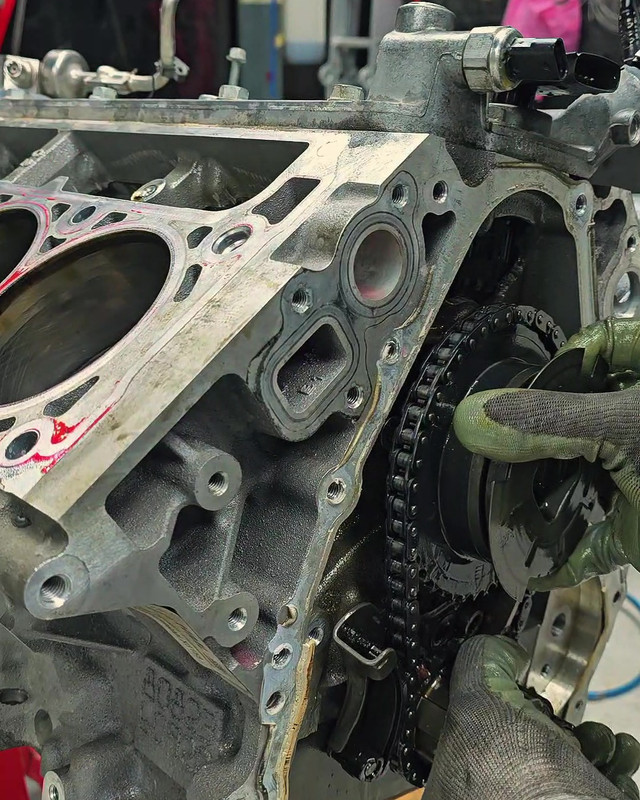
- Timing chain, tensioner and guide replacement
- Oil-consumption investigation and repair
- Machining work through specialist partners (head skimming, valve seats)
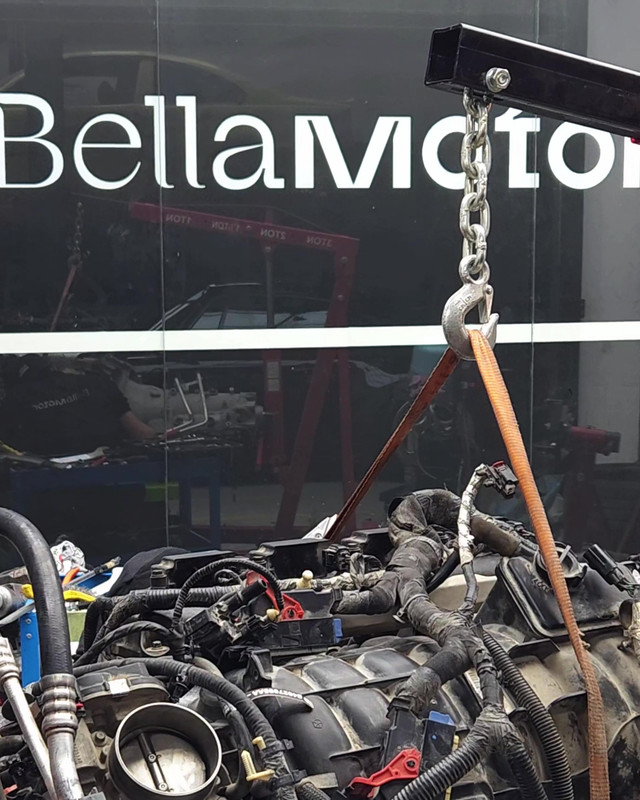
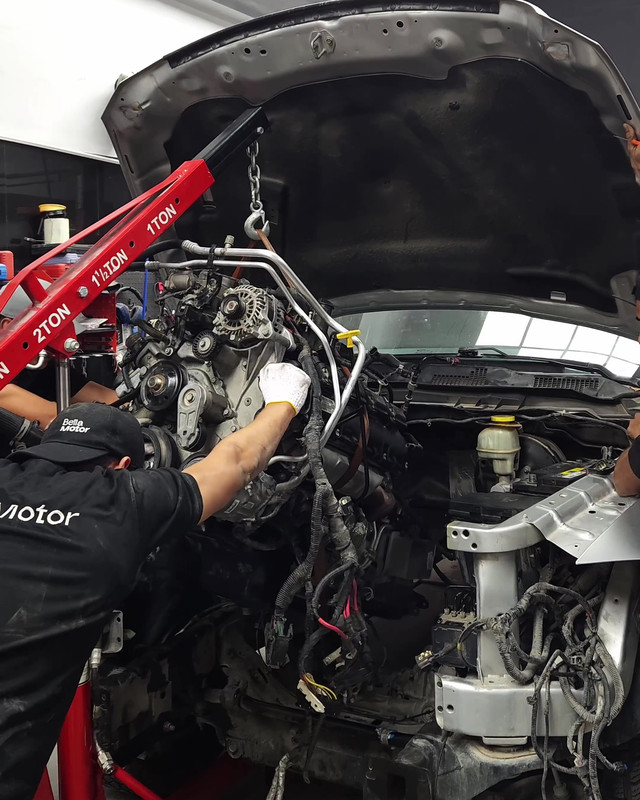
- Rebuild to specification, or supply and fit of a replacement engine
- Cause analysis, so the new engine does not fail the same way
See alsoEngine Diagnostics & Repair →Minor & Major Servicing →
The jobs that end up here
Burnt head gasket. The most common of the big failures, and in this climate it usually starts as something small: a leaking radiator, a tired hose, a failed fan or a low coolant level nobody noticed. The engine overheats, the head and block expand at different rates, the gasket loses its clamp on the fire ring — and combustion pressure starts pushing into the water jacket. Symptoms: coolant loss with no visible leak, white smoke, bubbles or pressure in the expansion tank, overheating that gets worse quickly. Caught early, it is a gasket, a skim and a set of bolts. Left running, the head warps or cracks, the bearings suffer, and the repair moves into a different class entirely.
Lifters and valvetrain. Hydraulic lifters that collapse or wear — common on some V8s — give a ticking noise, a misfire on the affected cylinder and, in the worst case, a wiped camshaft lobe.
Bearings. Knocking under load, low oil pressure, metal in the oil filter. Causes are usually oil-related: wrong viscosity for the use, extended intervals, or a starvation event.
Compression loss. Rings, valves or seats. It shows up as power loss, oil consumption, hard starting and high blow-by, and is confirmed with compression, leak-down and a borescope before anything is opened.
Repair or replace — the conversation we have before we start
Once the engine is open we know what the repair really costs: parts, machining, gaskets and labour hours. At that point there is a genuine decision to make, and it is yours.
We put the options side by side — repair the failure, rebuild the engine, or fit a good second-hand or reconditioned unit — with what each one gives you in reliability and in time off the road. On an older or lower-value car a replacement engine is often the sensible choice; on a collector or performance car, keeping the original engine matters more than the invoice.
What we will not do is start a rebuild without that conversation, or keep spending your money on an engine we already know is not worth saving.
Our process
- STEP 01 / 04
Confirm
The failure is confirmed by test before the engine is opened.
- STEP 02 / 04
Strip & measure
Components measured against specification; wear and cause documented.
- STEP 03 / 04
Decide
Repair, rebuild or replacement engine — discussed with you, with the cost drivers explained.
- STEP 04 / 04
Rebuild & test
Assembly to torque and clearance specification, then running-in checks and a road test.
How we work on it
Sport, high-end and collector cars — and everyday cars that deserve the same care.
- The cause is fixed, not just the symptom
- Parts measured, not eyeballed
- Repair vs second-hand engine: an honest economic comparison
From the workshop
Questions
How do I know if my head gasket has gone?
Typical signs are coolant loss without a visible leak, white smoke from the exhaust, bubbles or pressure in the expansion tank, oil that looks like coffee cream, and overheating. A combustion-gas test on the coolant confirms it in minutes — see our engine diagnostics page.
Is it worth rebuilding my engine or should I buy a used one?
It depends on the damage, the car’s value and how long you plan to keep it. We open the engine, measure the parts, and then put both options in front of you with the real numbers. There is no default answer.
How long does an overhaul take?
These are labour-intensive jobs and parts availability drives the timeline. We give you a realistic schedule after the strip-down, and we tell you if it changes.
Will you find out why it failed?
Yes, and it matters. If the cause was a cooling fault, a failed oil supply or the wrong service interval, fitting a fresh engine without fixing that is buying the same failure twice.