
Car AC Repair in Dubai
Knowledge-based repair and optimization of automotive climate control, no guesswork
Pick-up and recovery available on request.
In Dubai the air-conditioning system is not a comfort item, it is the part of the car that works hardest. It is also the system most often “repaired” by adding gas. Gas is not consumed: if it is low, it left the system somewhere. We measure the system on both sides — pressures on the high and low side, vent temperature in the cabin, electrical control of fans, clutch and valves — find the actual failure, repair it, then prove the repair with a pressure and leak test before the system is recharged.
Most AC systems lose performance for a reason: a slow leak, a clogged condenser, a tired compressor or a sensor fault. Adding refrigerant without a test hides the problem for a few weeks and can overload the compressor. Measuring first means the repair is targeted, and the system works at the pressures and temperatures it was designed for.
What’s included
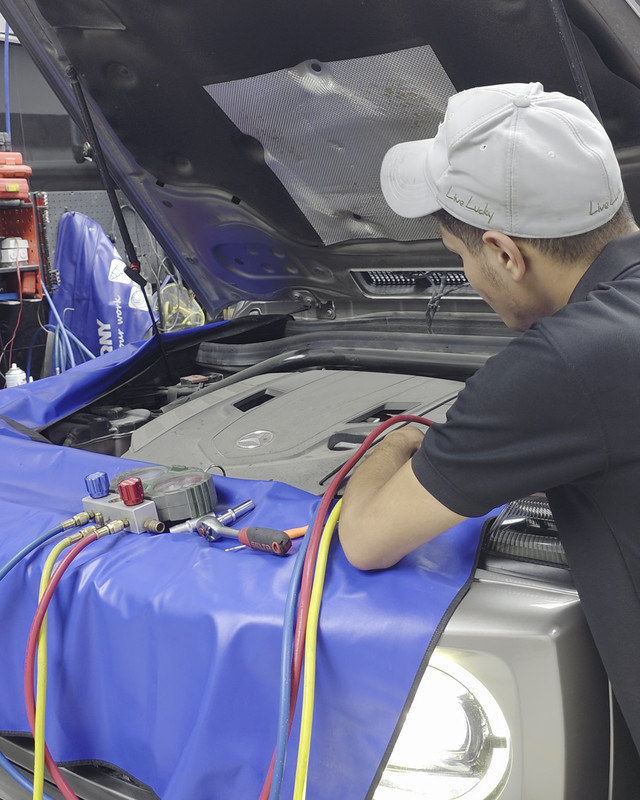
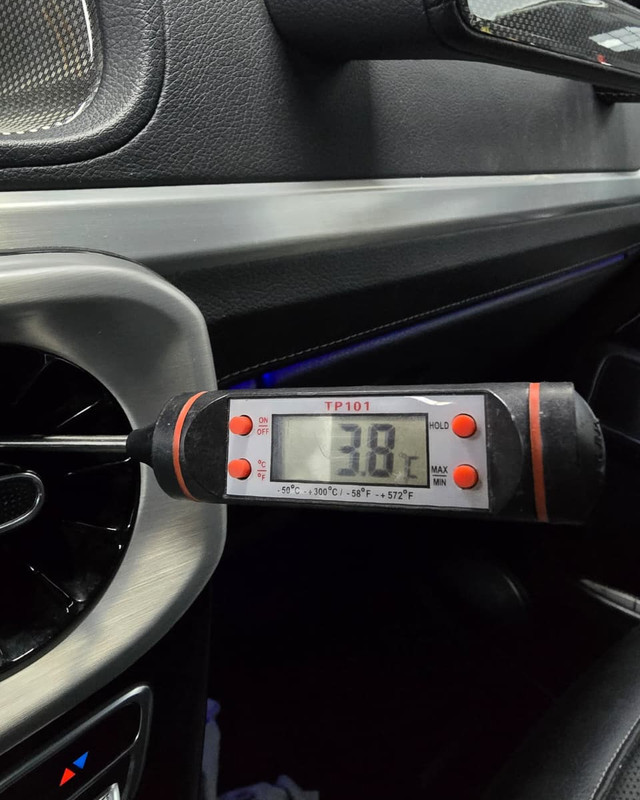
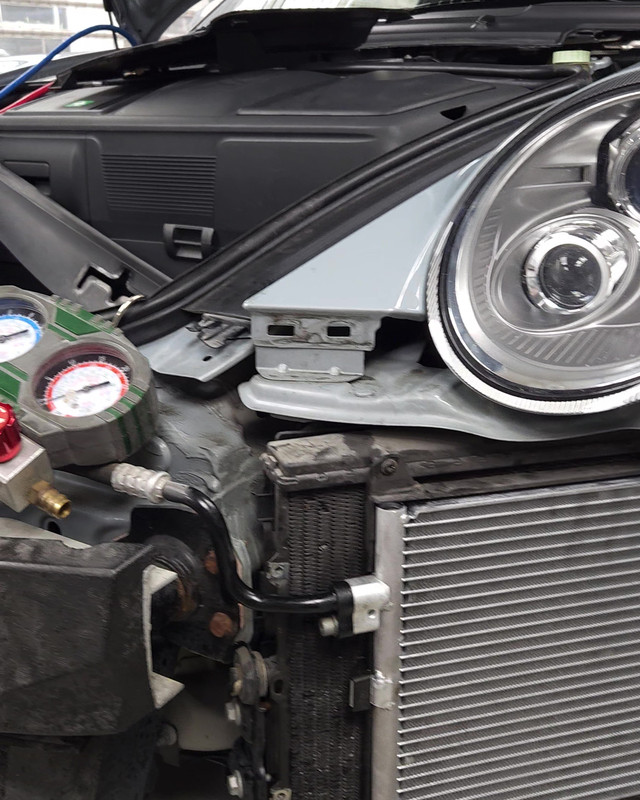
- Cooling performance test: high- and low-side pressures, vent temperature, compressor engagement
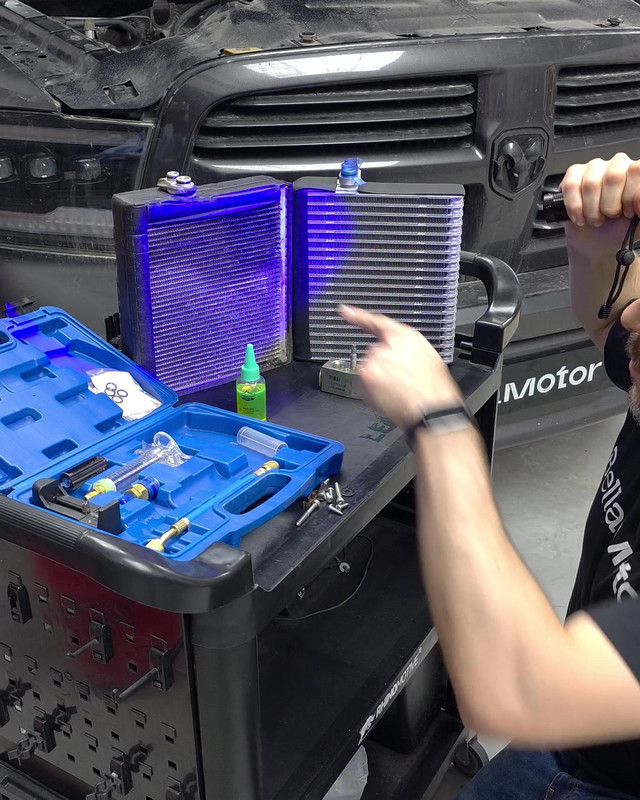
- Leak detection: pressure/vacuum hold test, electronic detector and UV dye where required
- Compressor, condenser, evaporator, expansion valve and receiver/drier repair or replacement
- Service-valve, O-ring and seal repair \u2014 often the actual cause, and far cheaper than a component swap
- Blower, fan, clutch, pressure switch and climate-control electrical diagnosis
- Vacuum and recharge to the specified refrigerant quantity, with the correct compressor oil
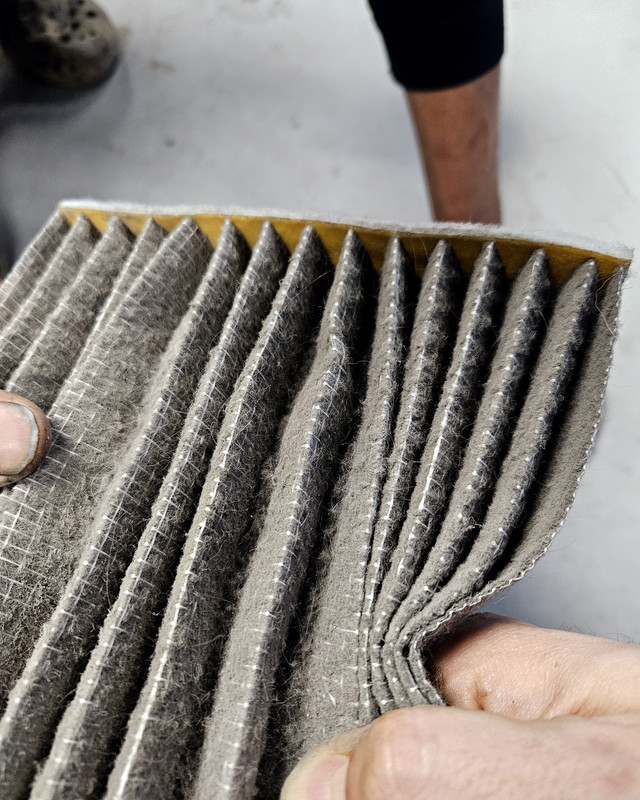
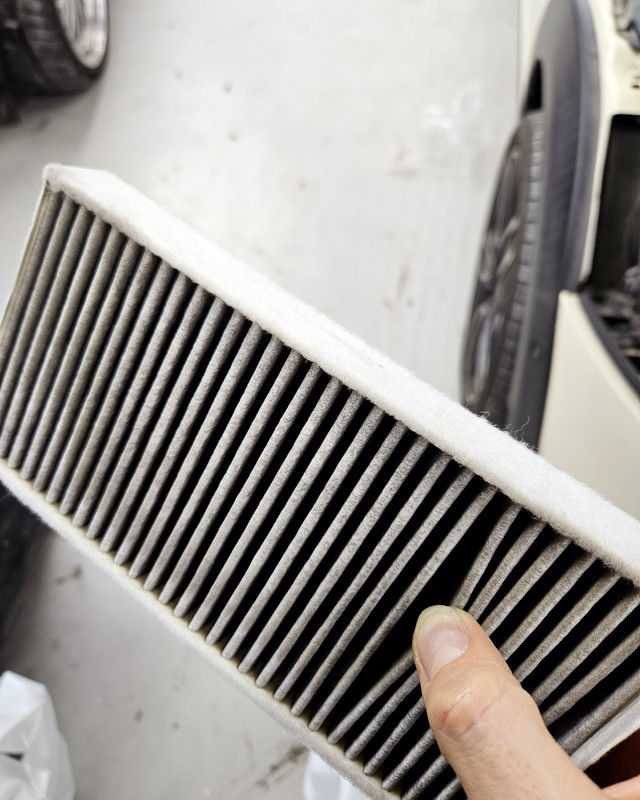
- Cabin filter replacement and evaporator odour treatment
How the system works — in one minute
Car air-conditioning does not create cold, it moves heat from the cabin to the outside air, using a refrigerant that changes state twice in every cycle.
Compressor — driven by the engine, it raises the refrigerant to high pressure and temperature. Condenser — at the front of the car, the hot gas gives up heat to the passing air and condenses into a liquid. Receiver/drier — stores liquid and absorbs moisture. Expansion valve — the restriction: pressure drops sharply, and with it the temperature. Evaporator — inside the dashboard, the cold liquid boils back into gas, absorbing heat from the cabin air that the blower pushes across it. Then the cycle repeats.
Two consequences matter in practice. First, the whole system depends on a pressure difference, so a reading on one side alone means nothing — both sides have to be measured, against the ambient temperature of the day. Second, the evaporator is the coldest surface in the car, so water condenses on it and drains away; that is why a healthy AC drips water under the car, and why a blocked drain or a dirty evaporator turns into a smell.
Typical faults, and the cheap ones nobody checks
Slow gas loss. The most common fault by far. Very often it is not the compressor or the condenser but a service valve (the low- or high-pressure port, exactly where the gauges connect), an O-ring at a line joint, or the seal around the expansion valve near the compressor. These are small parts. Finding them takes a proper leak test; replacing a compressor because the pressure is low takes ten minutes and the customer’s money.
Condenser blocked or damaged. Dust, sand and stone damage at the front of the car. The system then works but cannot reject heat — typically fine at speed, warm in traffic.
Fan or clutch fault. An electrical problem that looks exactly like a gas problem from the driver’s seat.
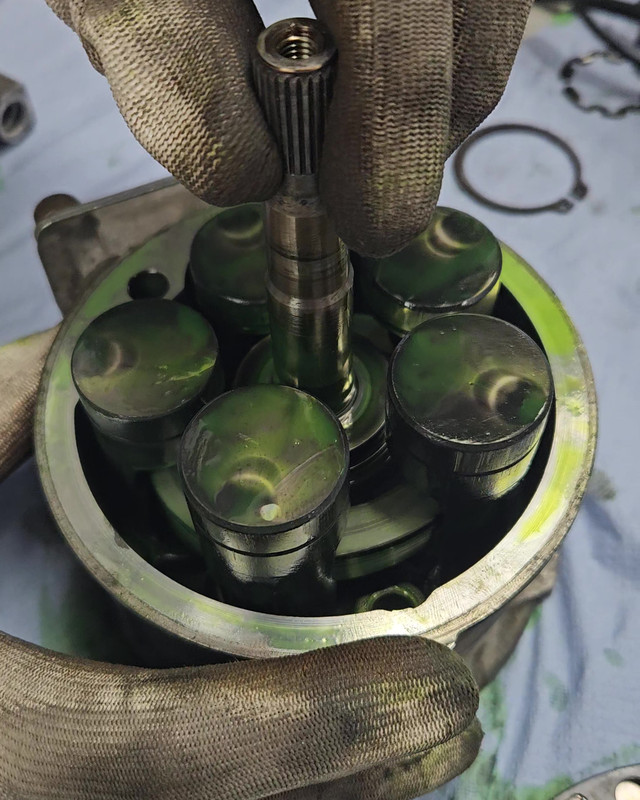
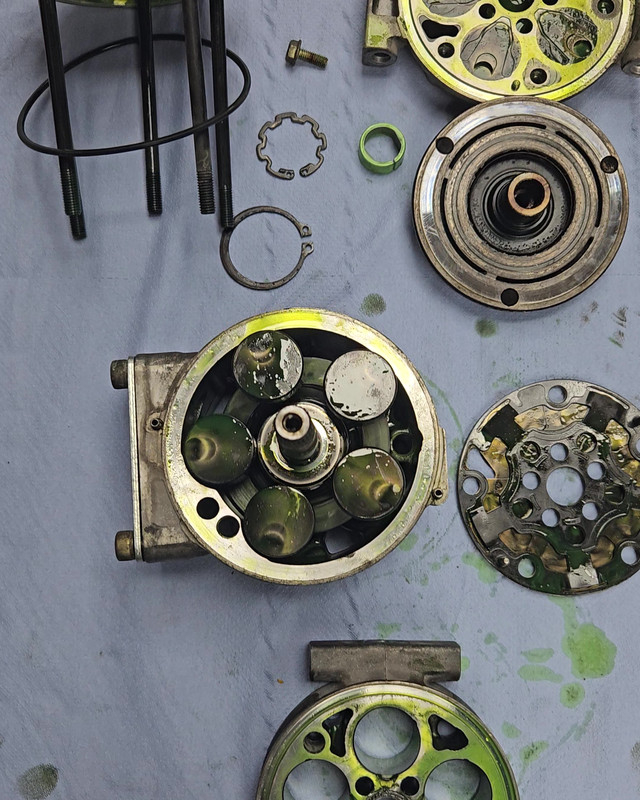
Compressor wear. Real, but less common than it is sold. It is confirmed by pressures, by engagement behaviour and, when the unit is opened, by what is inside it.
Smell. Bacteria on a damp evaporator or a dirty cabin filter.
We are not going to tell you that every AC fault is a five-dirham O-ring — compressors do fail, and evaporators do leak inside the dashboard. But the order of checks matters, and we run it from cheap and likely to expensive and rare, not the other way round.
Our process
- STEP 01 / 08
Understand
The symptom as you experience it: when it fails, how fast, warm on one side, noise, smell.
- STEP 02 / 08
Measure
High- and low-side pressures, vent temperature in the cabin, ambient conditions, compressor engagement.
- STEP 03 / 08
Check electrics
Fans, clutch, pressure switches, sensors and controls — physically and through the diagnostic interface.
- STEP 04 / 08
Find the leak
Where there is evidence of loss: nitrogen/vacuum hold test, and UV dye tracing where required.
- STEP 05 / 08
Repair
The failed component repaired or replaced — often a valve, an O-ring or a seal rather than a major part.
- STEP 06 / 08
Pressure & leak test
The key step: the system is held under test, which can take up to a day. We do not recharge a system that has not held.
- STEP 07 / 08
Recharge & verify
Vacuum, specified refrigerant quantity and oil, then vent temperature and pressures re-measured.
- STEP 08 / 08
Hand over
What failed, what was done, what to watch.
From the workshop

Questions
Is it normal to have to recharge my AC?
Recharging is not scheduled maintenance. A healthy, sealed system holds its charge; a very small loss over the years is normal, so a top-up after two or three years is acceptable. Needing gas every season means there is a leak, and adding gas each time is paying for the same fault repeatedly.
Why is my car AC blowing warm air?
The common causes are a refrigerant leak, a failing compressor, a blocked or damaged condenser, an expansion-valve fault, or an electrical fault in the fans, clutch or control sensors. Measuring both pressures and the vent temperature tells us which of them it is, in one test.
Why does my AC smell, and can it be fixed?
Usually bacteria growing on the damp evaporator, or a dirty cabin filter. We replace the filter and treat the system, which solves most cases. Severe contamination needs the evaporator to be accessed and cleaned properly — more work, but it is the only real fix at that point.
Why did you add oil to my AC?
The compressor is lubricated by oil that circulates with the refrigerant. When gas escapes, oil goes with it, and when a component is replaced it takes some oil with it too. The correct oil type and quantity are specified by the manufacturer, so we add it with the recharge — too little means compressor wear, too much reduces cooling.
How long does the leak test take?
The hold test can take up to a day, and that is deliberate. A system that holds pressure for a few minutes may still empty over a month. We would rather keep the car one more day than hand it back with the same fault.
AC not cooling? Send your car model on WhatsApp and book a test.
Related services
Brands we work onRange Rover →Mercedes-Benz →BMW →Toyota →Nissan →Chevrolet →All brands →