
How can you tell good paintwork from bad paintwork?
A good repaint is invisible: same texture, same colour under every light, clean edges, no traces on the trims. A bad one shows itself to anyone who knows where to look. You need a bright light, a clean panel and a few minutes.
How to look
Inspect a clean, dry car out of direct sunlight, using a strong torch or LED panel held at different angles. Look at the reflection of a straight line (a light tube, a building edge) as it crosses panels: a good finish reflects it straight and sharp, a poor one distorts it. Compare symmetrical panels — left door with right door — and adjacent panels, where a repaint meets an original one.
Defects to look for
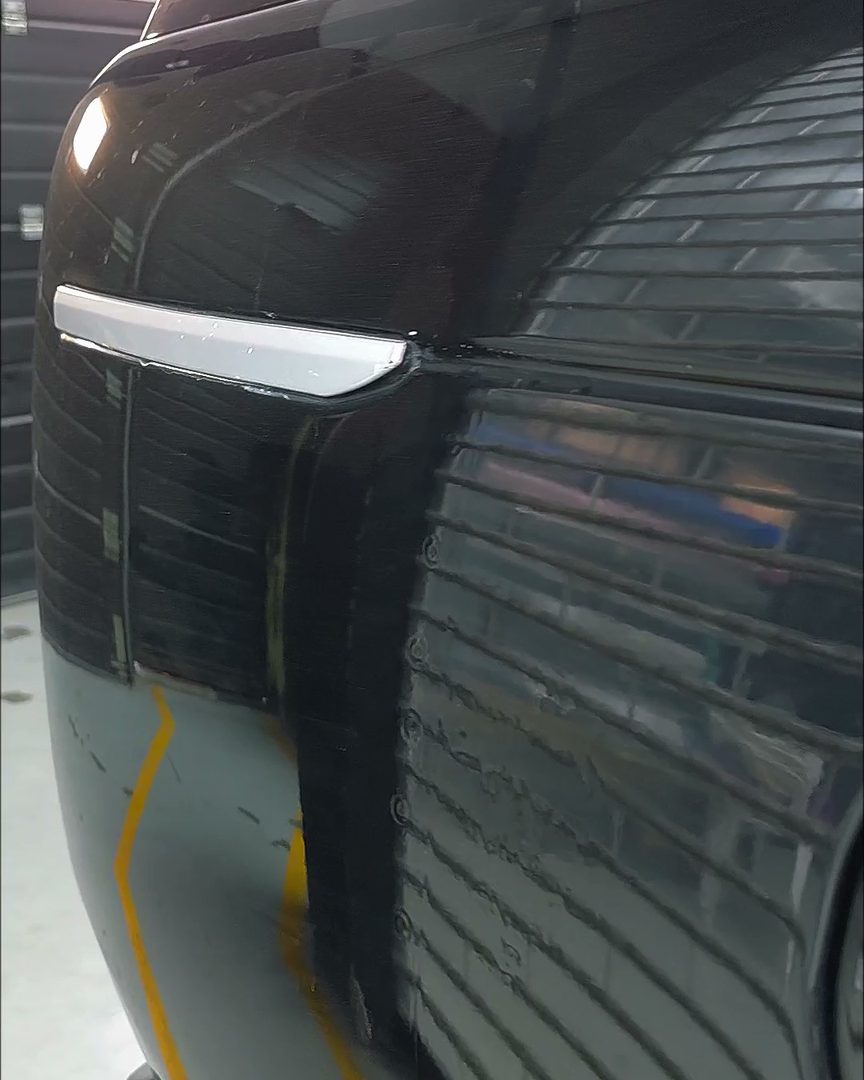
Texture mismatch (orange peel): every factory finish has some texture; a repaired panel with very different texture than its neighbour stands out in the reflection.
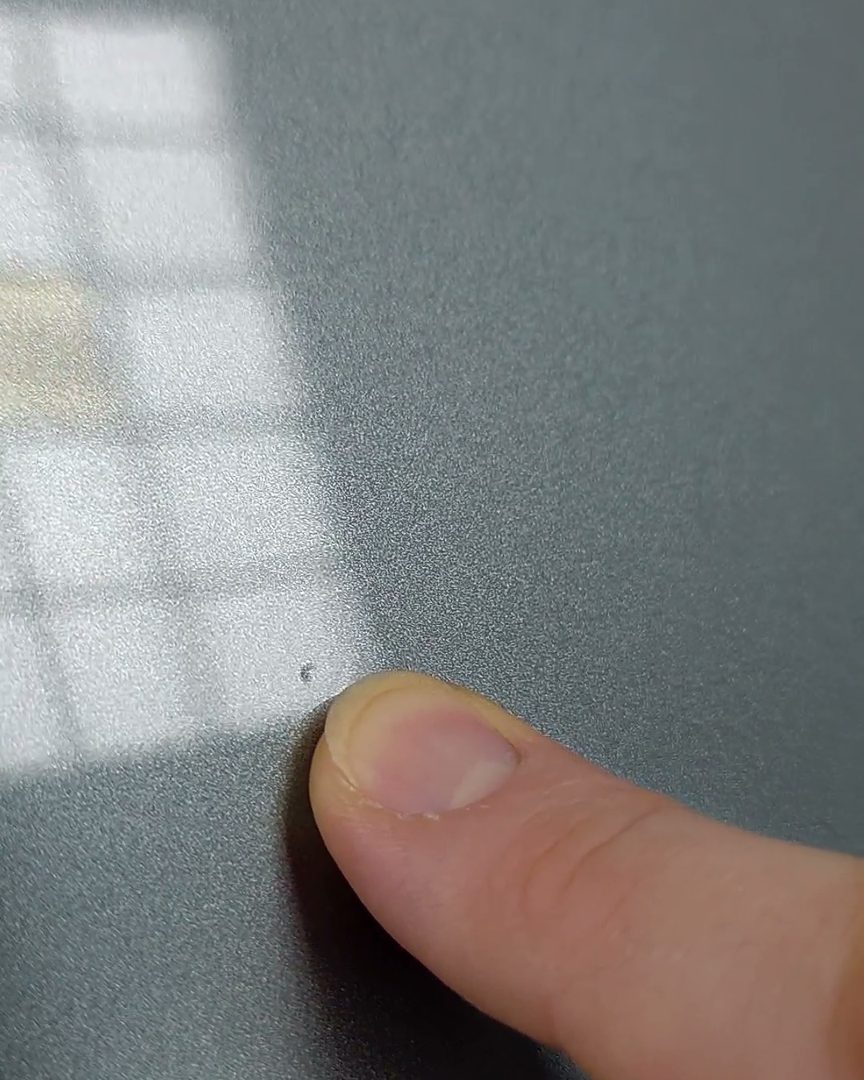
Dust and fibre inclusions (nibs): small bumps trapped in the clear coat, a sign of a poor booth or preparation.
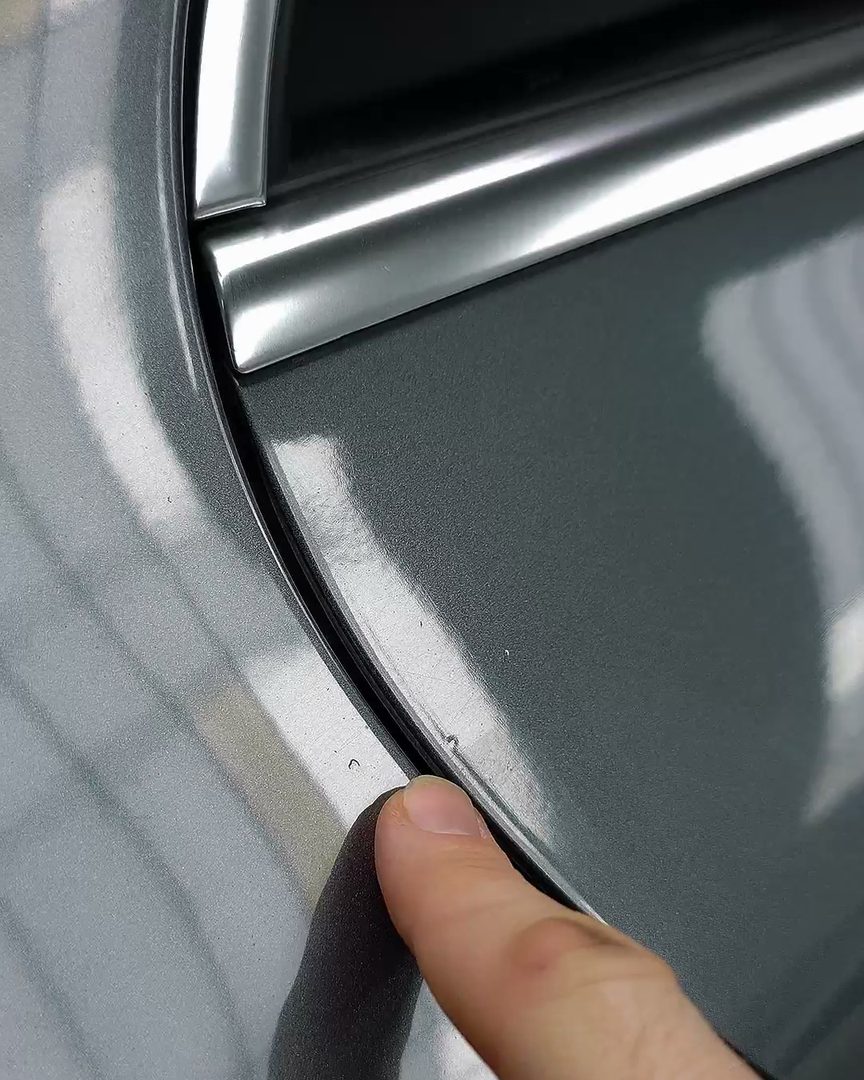
Solvent pop and pinholes: tiny bubbles or craters caused by solvent trapped under a skin that dried too fast.
Runs and sags: drips of clear coat on vertical panels and edges.
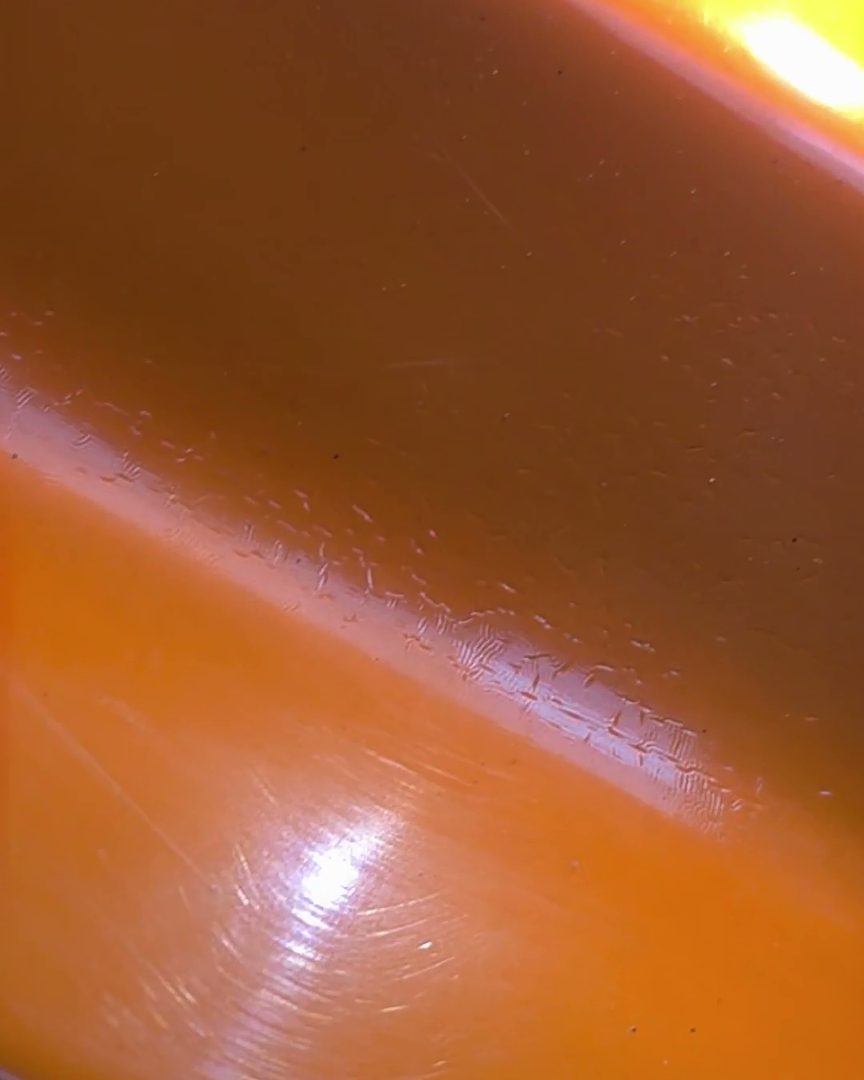
Dry spray: rough, matte, sandy areas — often at panel edges and in recesses — where paint arrived half-dry.
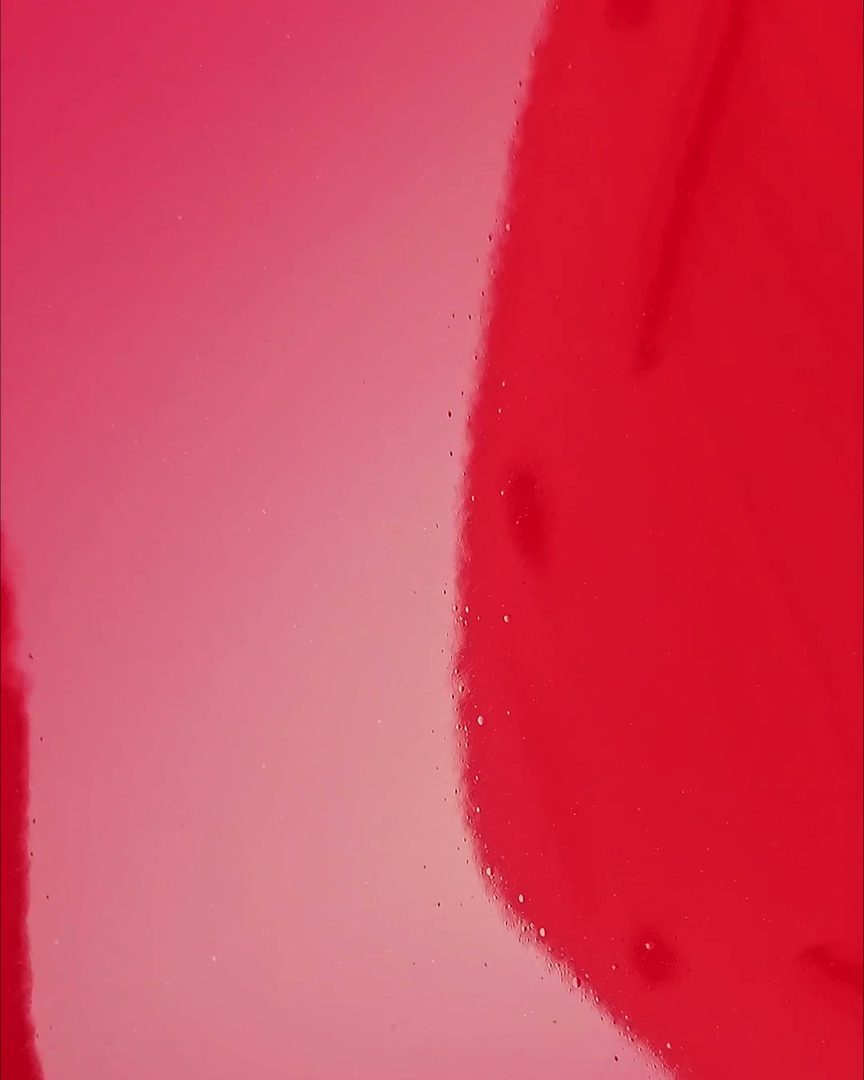
Dull or hazy patches: under-cured or poorly polished areas; gloss that disappears weeks later (die-back).
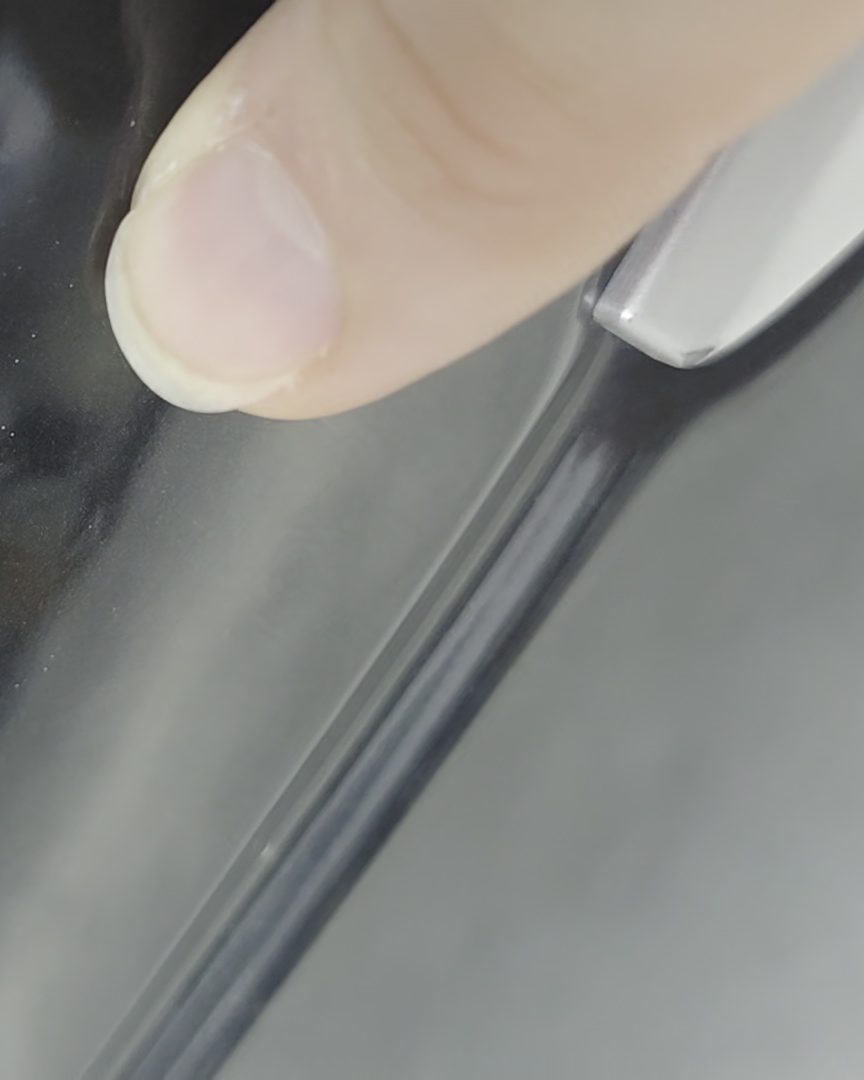
Overspray and masking lines: paint on rubbers, trims, glass edges or under the bonnet and door shuts.
Colour mismatch: a colour that matches in the workshop but not in the sun (metamerism), and mottling or clouding on metallics, where flakes did not lay evenly.
Sanding marks under the clear coat, visible as fine straight or circular scratches under strong light.
Confirm with numbers
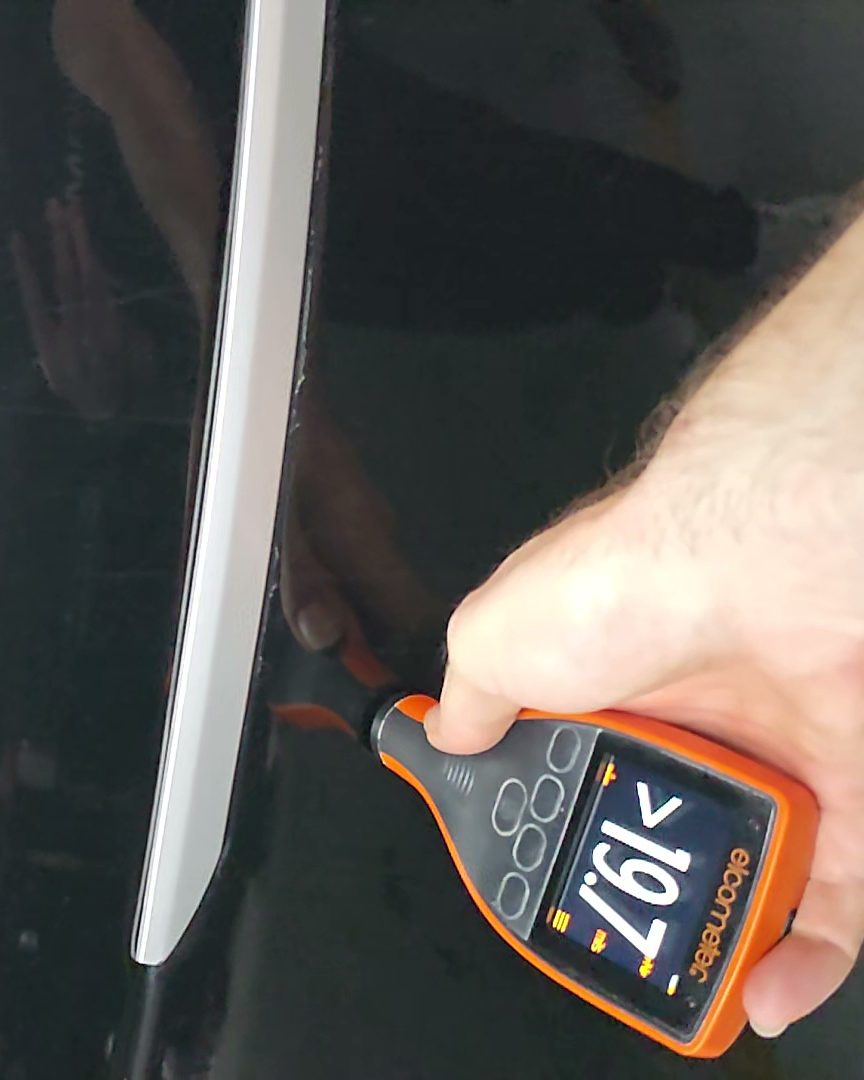
A paint-thickness gauge confirms what the eye suspects: repainted panels read higher, and filler reads much higher. See our article on paint-thickness gauges.
Watch: spotting a repaint
From the inspection
If a panel needs redoing
Painting & Body Works — how we repaint panels and full cars →